Sunni Tradition: The Collection of the Qur'an under ‘Umar, then ‘Uthmān, and the Destruction of Competing Codices
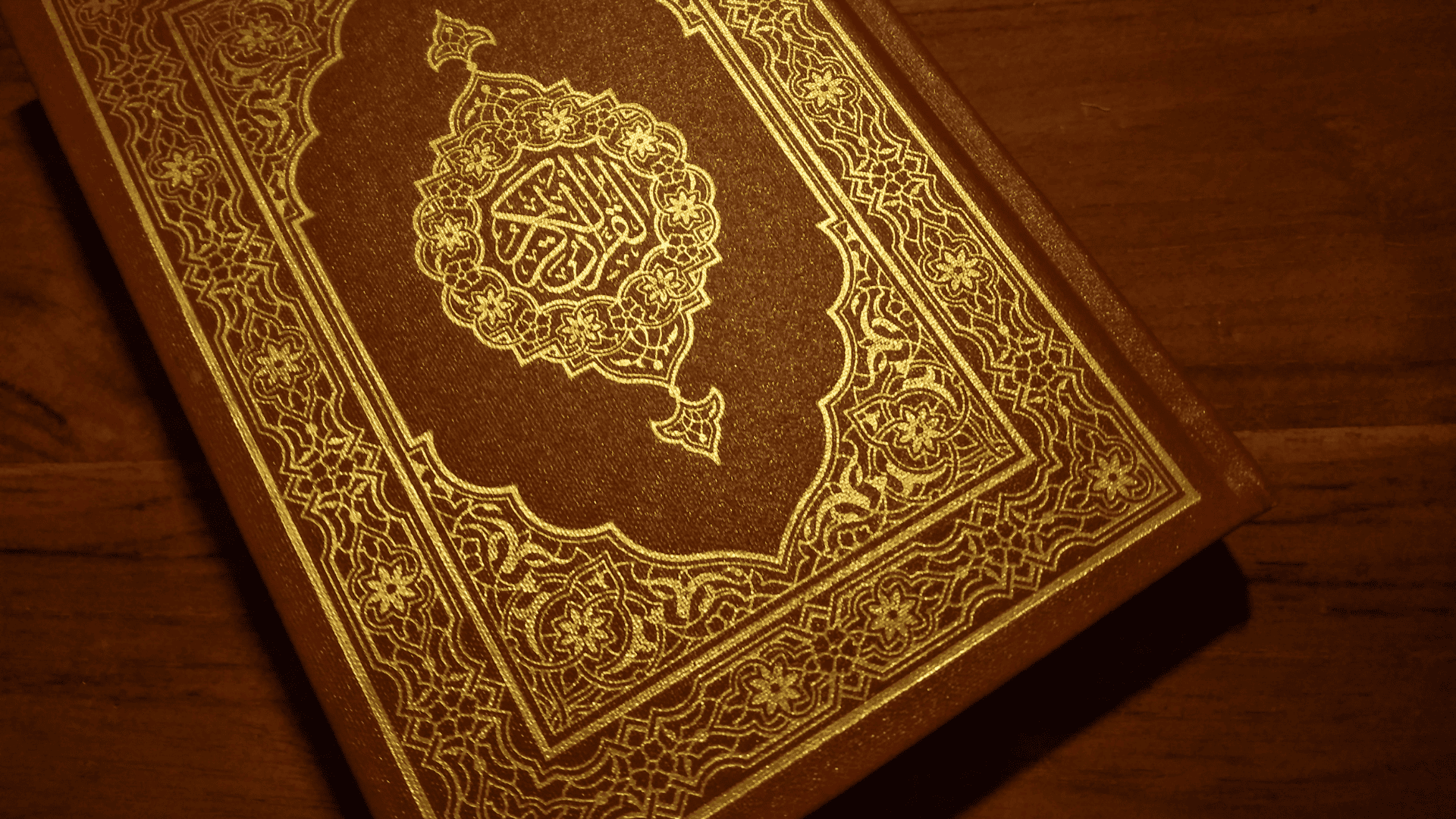
Sunni Tradition: The Collection of the Qur'an under ‘Umar, then ‘Uthmān, and the Destruction of Competing Codices
The Collection under ‘Umar
Some traditions report that after the Battle of Yamāma, in which many Qur'an reciters (qurrā’) perished, ‘Umar became aware of the risk of losing the Qur'anic text. He allegedly decided to initiate the collection of scattered verses. According to one report, he made a public call: "Whoever has collected something of the Qur'an from the Messenger of God, let him bring it to us." The verification of fragments was based on double testimony. This collection, begun under ‘Umar, was said to have remained unfinished at the time of his assassination (cf. Wikipedia: History of the Quran).
Other traditions nuance this account and state that Abū Bakr was the first to order the collection, on the advice of ‘Umar. Zayd b. Thābit was tasked with gathering scattered fragments from various materials. These sheets were first kept by Abū Bakr, then by ‘Umar, and finally by Ḥafṣa, ‘Umar’s daughter and a widow of the Prophet (cf. Wikipedia: Uthmanic codex).
The Role of ‘Uthmān and the Unification of the Text
The caliphate of ‘Uthmān is associated with the establishment of an official recension of the Qur'an. According to reports, Ḥudhayfa b. al-Yamān alerted the caliph about the growing divergences in recitation between Syrians and Iraqis. ‘Uthmān then had Ḥafṣa’s sheets copied to produce a unified codex. This work was entrusted to a commission led by Zayd b. Thābit (cf. Wikipedia: Uthmanic codex).
Once this codex was completed, ‘Uthmān reportedly sent copies to the main cities of the empire (Kūfa, Baṣra, Damascus, Medina) and ordered the destruction of other divergent codices or sheets (cf. Reddit: Did Uthman really burn all those Qurans?).
Destruction of Competing Codices
Sources mention that other codices were locally used, such as those of Ibn Mas‘ūd (in Kūfa), Ubayy b. Ka‘b (in Syria), or Abū Mūsā al-Ash‘arī (in Baṣra). Some of these codices contained a different number of surahs or a different order. ‘Uthmān explicitly ordered their destruction to impose a single version (cf. Bible.ca: The Qur'an's Textual Integrity).
This destruction is a recurring theme: Marwān b. al-Ḥakam is said to have later retrieved and destroyed Ḥafṣa’s sheets in Medina to prevent any resurgence of a competing version (cf. Wikipedia: History of the Quran).
Conclusion
The Sunni tradition presents these events as a pious and necessary effort to preserve the integrity of the Qur'anic text. This recension by ‘Uthmān became the "Uthmanic vulgate," the foundation of later canonical readings. However, the transmitted history reveals the existence of a plurality of traditions and codices, indicating that the unification was a complex and probably contentious process (cf. Yaqeen Institute: The Uthmanic Codex).