The Verse of Iron: A False Scientific Miracle?
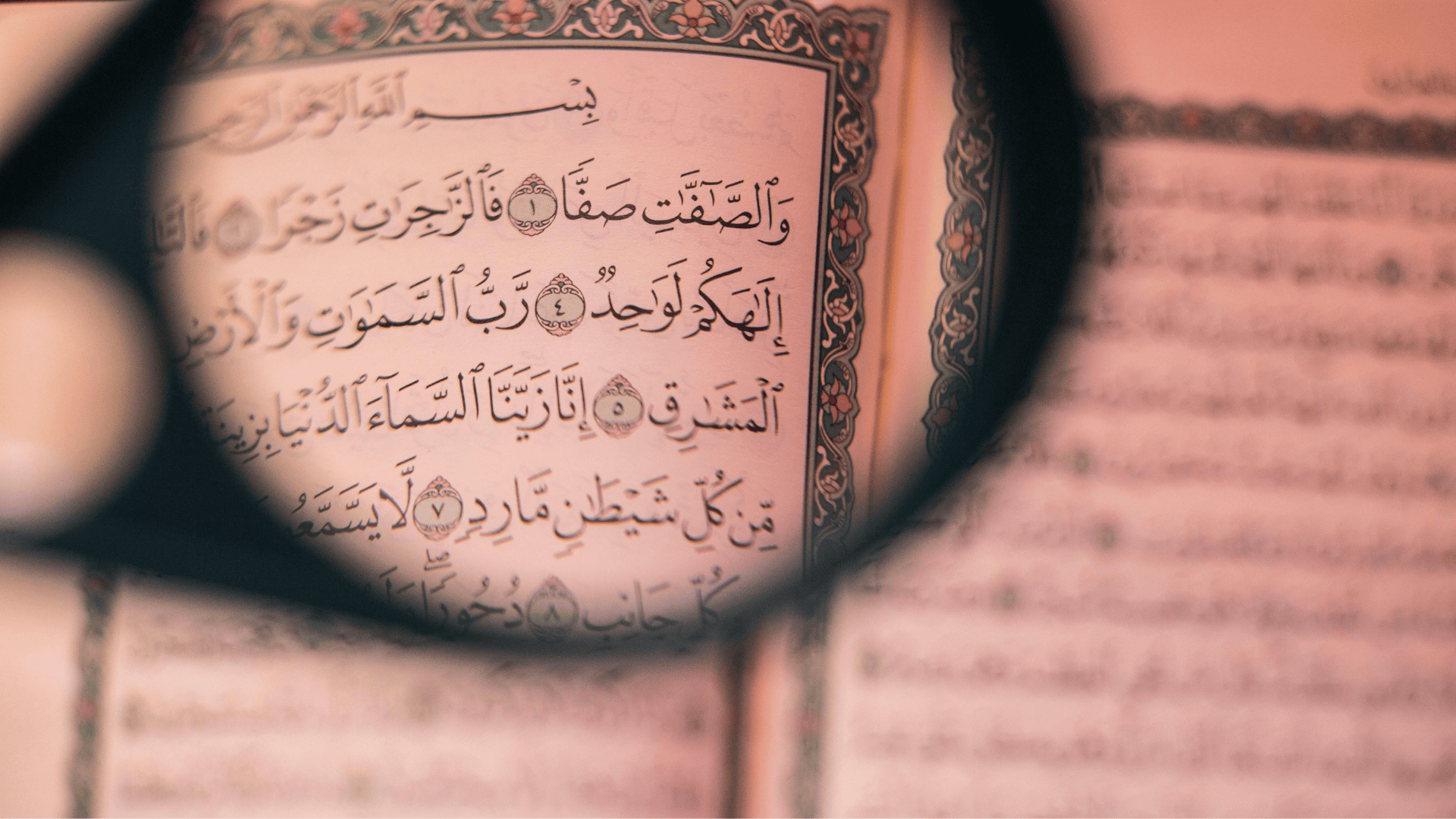
Surah 57 of the Qur’an, Al-Hadid, states in verse 25:
“We sent down iron, in which there is great strength and benefits for mankind…” (57:25)
Many Muslims consider this verse to be a scientific miracle. According to this interpretation, Muhammad would have been far ahead of his time, since modern science has shown that iron did not originate on Earth. Every atom of iron found on our planet was forged in the core of massive stars and later scattered through space by stellar explosions, long before the formation of the solar system.
Based on this knowledge, some argue that when the Qur’an says God “sent down” iron (anzalnā – أَنزَلْنَا), it should be understood literally: iron came down from the sky. This, they claim, is the scientific miracle.
However, this interpretation does not hold up.
In the Qur’an, the verb anzalnā (“to send down”) is not primarily used to describe a physical descent from the sky. Rather, it commonly refers to a gift or blessing granted by God. This is made clear in the very same verse:
“Indeed, We sent Our messengers with clear proofs, and We sent down with them the Book and the Balance…” (57:25)
Should we understand this to mean that the Qur’an literally fell from the sky and crashed onto the Earth? Obviously not. The expression signifies that the Book is a divine gift, granted by God to humanity.
This usage appears elsewhere as well. In Surah 7, Al-A‘rāf, verse 26, we read:
“O children of Adam, We have sent down to you clothing to cover your nakedness and as adornment…”
No one seriously believes that clothes literally fell from the sky. Likewise, in Surah 39, Az-Zumar, verse 6:
“…And He sent down for you, from the livestock, eight pairs…”
Again, the meaning is clearly symbolic: livestock is a provision from God, not something that descended physically from heaven.
The same reasoning applies to iron. Claiming that this verse constitutes a scientific revelation anticipating modern astrophysics is an example of forced concordism—the attempt to retrofit modern scientific discoveries into ancient religious texts. The verse does not express any scientific claim, nor does it describe a cosmological process.
Moreover, the idea that iron has a celestial origin was already widespread in ancient civilizations. In ancient Egyptian, iron was called ba-en-pet, literally “metal of heaven.” In Sumerian, the word for iron was an-bar, meaning “metal from above.” These expressions show that associating iron with the sky long predates Islam.
Therefore, this verse does not represent a scientific miracle or a piece of knowledge ahead of its time. It simply reflects the symbolic and theological language typical of the Qur’anic text.